As a health and nutrition coach I believe that a foundation of health is what you put in your body. In these easy recipes are foods that will help you live a healthy life with Gilbert’s Syndrome. My main tip is always- eat more plants! Plant fibre, nutrients and fats are fantastic for keeping you well. As the World Health Organisation said, in its 2021 review of plant based diets
Overall, a diet that is predominantly plant-based and low in salt, saturated fats and added sugars is recommended as part of a healthy lifestyle.
Why are plants so great if you have Gilbert’s Syndrome?
If you have Gilbert’s Syndrome there are numerous key benefits you can get from plants. Cruciferous vegetables (broccoli, sprouts, etc) are great for supporting your liver function.
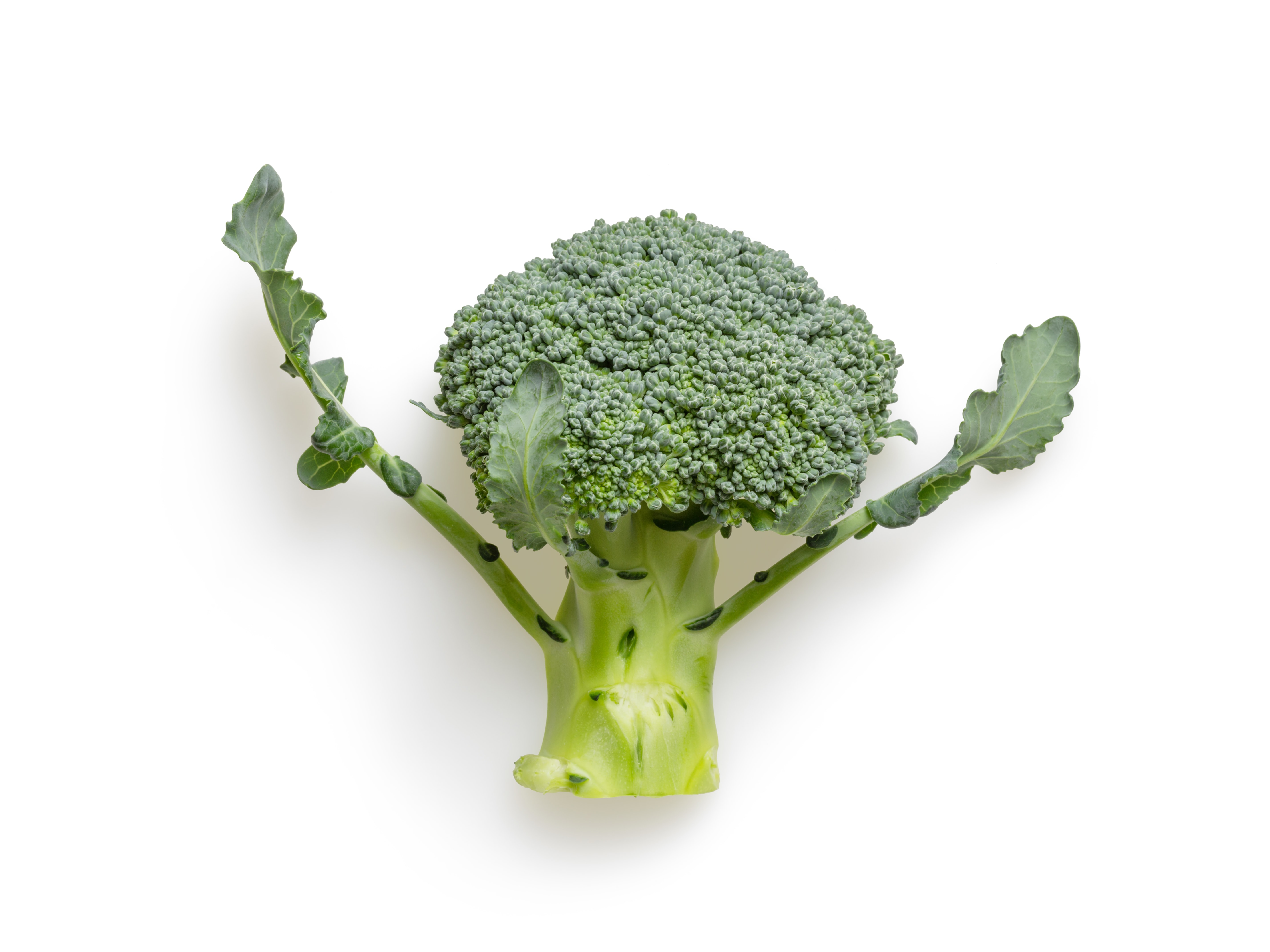
Broccoli has been found to contain a phytochemical (plant chemical) called sulphoraphane, which enhances the phase two-detoxification pathway in the liver.
Fibre is great for keeping you feeling satisfied and sustains energy levels. It supports gut health which supports immunity and better absorption of other nutrients. https://www.ncbi.nlm.nih.gov/pmc/articles/PMC8153313/
A plant based diet is also low in fat and the types of fats eaten are generally essential and good for you.
As a coach I start with adding in the good stuff, not depriving you of things you enjoy. Getting rid of less healthy food will come more naturally once you have developed an appreciation of how good food helps you feel healthier. (I also don’t believe in a calorie counting approach to a healthy diet, as different foods are absorbed differently, by different people, regardless of calories. If you are ever coached by me you’ll find out more about my science based approach).
Starting with small habits is a recipe for long term success, rather than drastic change overnight. Your taste buds, existing habits, your brain and body, will have set patterns you’ve developed over time that make it really hard to transform in an instant. It takes repeated attempts to change a pattern, as it has become ingrained. Making small, easy changes is a step by step road to success.
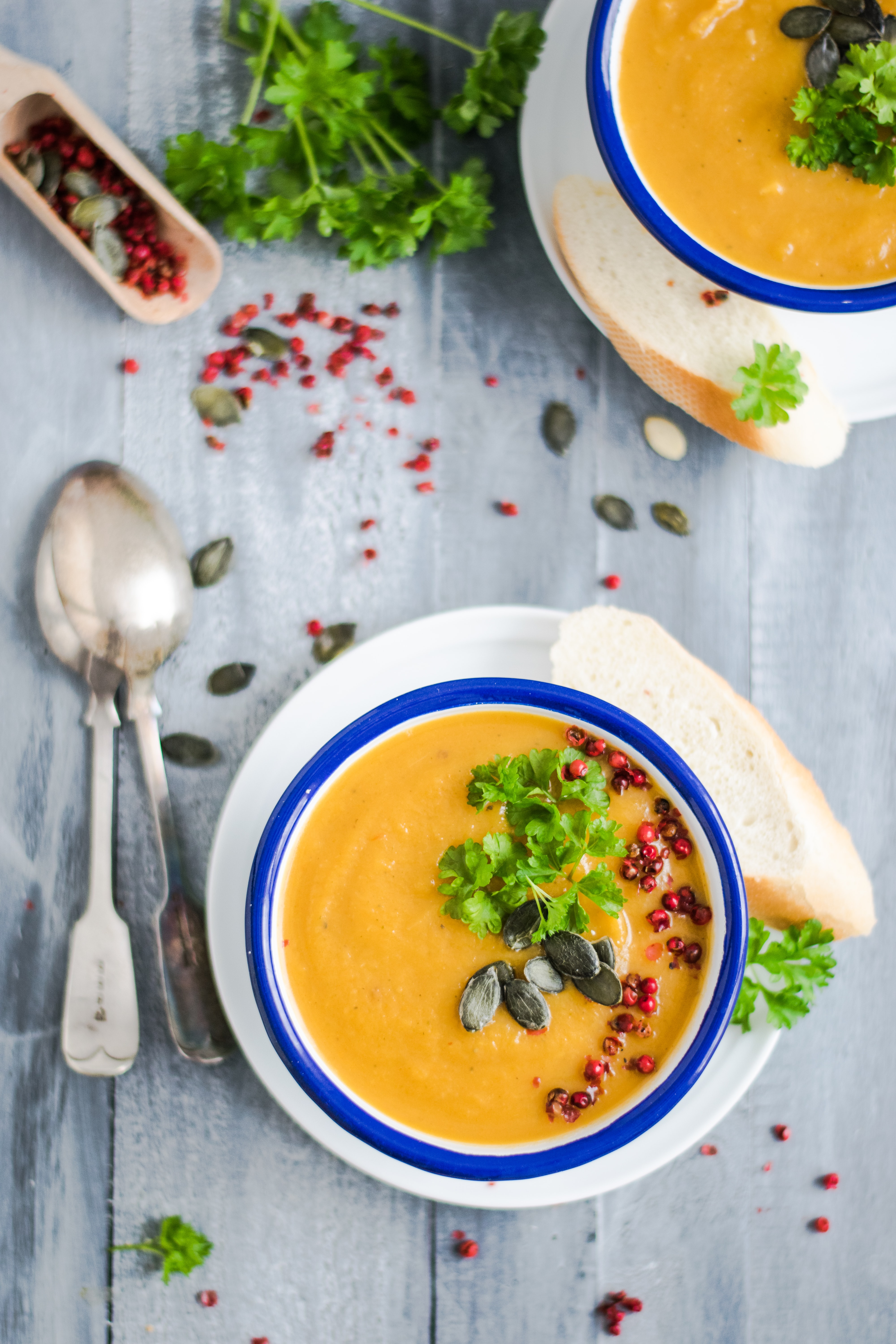
Here are some small changes you could make: eat a veg soup or small salad before your main meal; add a tin of tomatoes or pulses (beans or lentils) into a sauce or stew; add chopped apple or berries to cereal or ice cream or yoghurt, add some sweetcorn to a plate at dinner, or mashed butternut squash. The possibilities are endless.
These easy recipes, below, will help you make some simple changes and live a healthy life with Gilbert’s Syndrome.
Some people say that eating more plants is expensive. But it doesn’t have to be. In fact, you can save a lot of money with the right choices. This study from Oxford University shows that a vegan diet can slash your food costs by a third!
Make your veggies cheaper and last longer by buying frozen. A bag of green beans or broccoli costs less than a pound from discount supermarkets in the UK. Look for reduced labels – it’s still fine to eat. Buy the loose veg and in the amount you need – it’s often cheaper and there’s no waste. Try something new when it’s in season and better value. Get the wonky versions – lots of supermarkets sell these now, and they are every bit as good as the not so wonky!
An advantage to adding in plants is that you are likely to feel fuller for longer, with sustained energy. This really helps manage your fatigue and prevents you from falling back on energy killers such as sugary food.
Here are some key ingredients, below, to make a wide range of tasty and healthy meals. You can add in your favourite herbs and spices for different flavours. I only mention four vegetables here, which you can swap through the recipes and experiment with other veg such beetroot, cauliflower or parsnips. So, here we go, some easy recipes to live a healthy life with Gilbert’s Syndrome…
Stock up on these key ingredients to get started:
Vegetable oil
Wholewheat self raising flour
Nuts of your choice (walnuts are my suggestion) or sesame seeds – get the ones in the baking aisle as they are cheaper and the broken nuts are less expensive than whole ones.
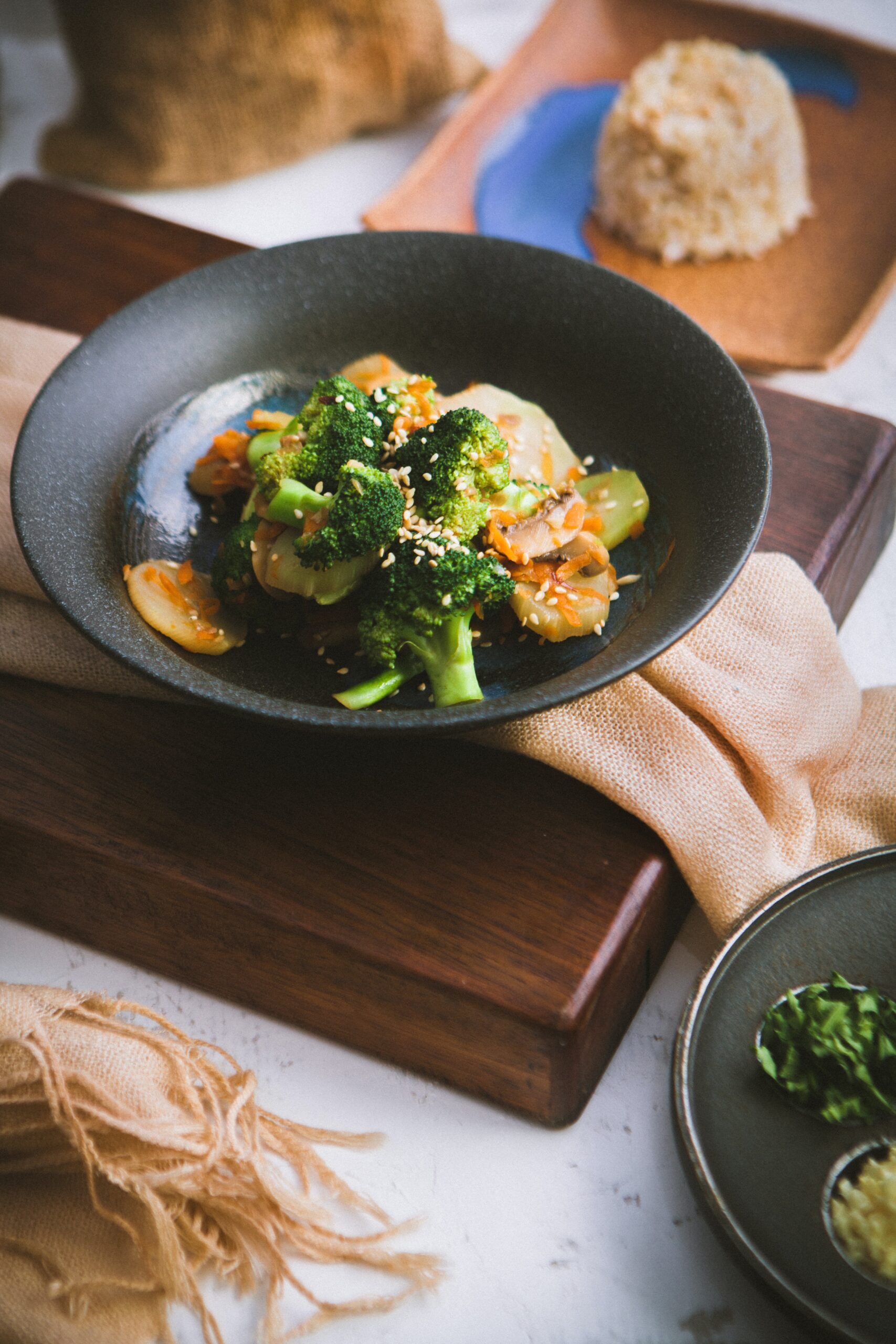
Stir fry broccoli in a dash of oil, with some sesame seeds (or other nuts if you prefer). Add garlic, black pepper and salt and a dash of lemon juice to taste. Or a dash of soy sauce.
Super sprouts
Sprouts aren’t to everyone’s taste, but they are really good for you. If you don’t like them, try cabbage as a substitute – savoy, red or white. Personally I love sprouts!
Here are two ways to deal with sprouts:
I suggest part cooking in the microwave first (just 2 or 3 minutes) if you don’t like them too crunchy, or they are from the freezer. Slicing them makes them a little easier to deal with on the plate, and they stir fry more quickly. Then stir fry as per the broccoli and add walnuts. If you have sesame oil to stir fry them with that will transform the flavour.
You can also drown them in a rich tomato sauce by cooking tinned tomatoes with garlic, salt and pepper, plus some lemon juice and a dash of sugar, ketchup or sweetner to taste. Microwave, steam or boil the sprouts, then finish off by cooking in the tomato sauce for 5 minutes. The richness of the tomatoes really complements the sprouts.
Veg pie
serves four, or freeze spare portions for another time

Flour, salt and pepper to taste, and oil, mixed together with a fork to form crumbs, add some cold water and shape into a stiff dough. Put in the fridge whilst making the pie contents.
Put the oven on to heat (180 degrees celsius)
Pie contents –
Chop the carrots and sweet potatoes into similar sized chunks, pop in the microwave for 5 minutes to begin to soften.
Fry the leek in the oil for 5 minutes, then tip in the part cooked carrots and sweet potatoes.
Add tin of chopped tomatoes and cooked lentils or a tin of baked beans (or any other bean).
Add garlic, salt and pepper to taste. Add a dash of lemon juice
Simmer for 15 minutes then tip into a casserole / pyrex dish.
Roll out the dough and place on top of the above ingredients in a casserole/pyrex dish.
Cook in a warm oven for 30 minutes – or until the pastry is browning
You could add sesame seeds to the pastry to give it a nutty flavour.
Change the seasoning for different flavours – curry powder, smoked paprika, cumin and chilli powder.
If you prefer you could make a mashed sweet potato topping instead of the pastry and swap around some of the veg for what else you might have available.
Sweet potato options
Sweet potato can be mashed with carrot or parsnip for a really sweet and tasty alternative or addition to the usual mashed potatoes.
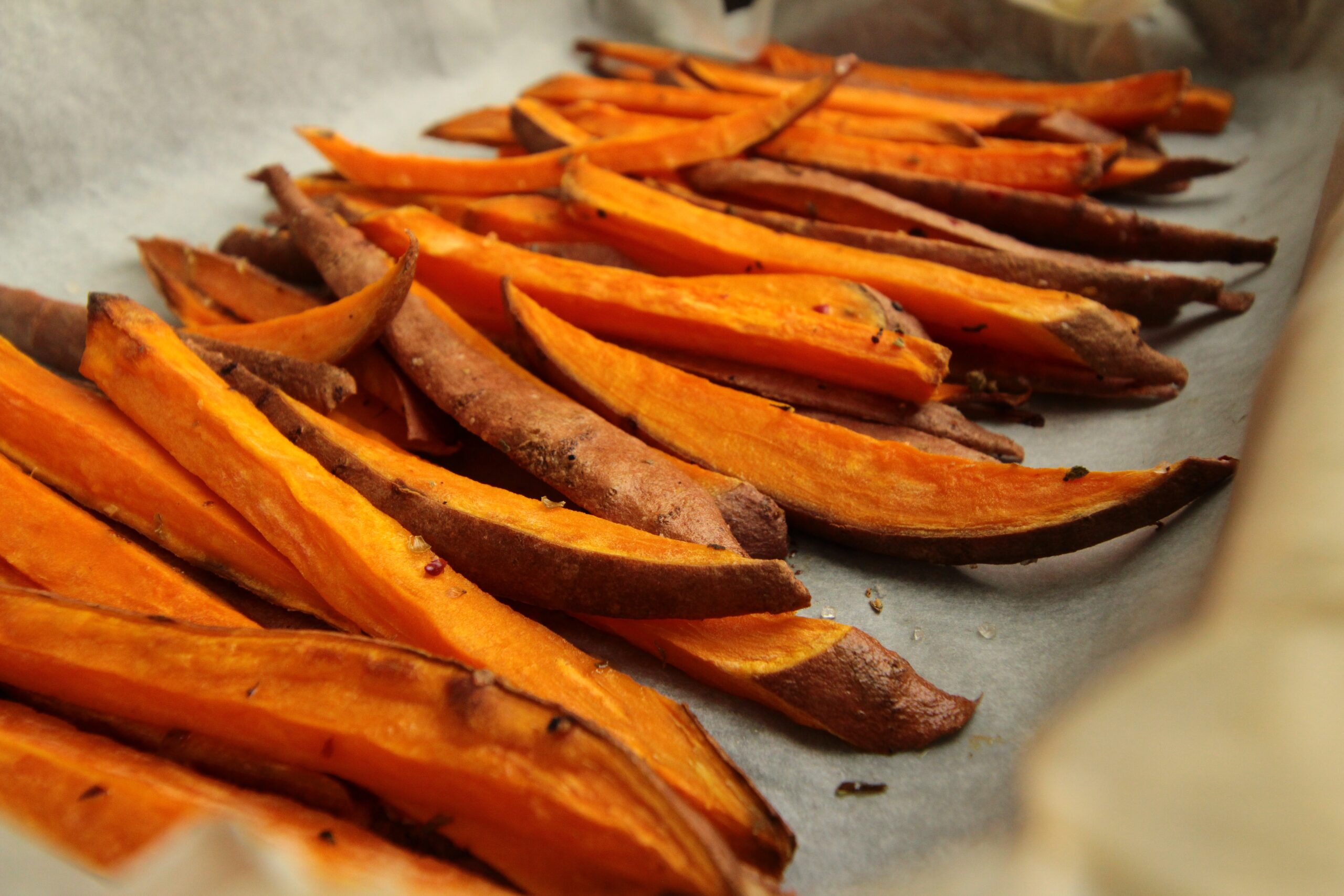
Or, chip the sweet potatoes and roast in a shallow tray with a splash of oil.
Disclaimer: Please note that I am not medically qualified and this is not medical advice. The information in this article comes from sources which are referenced /linked to, many of which are published scientific research papers, or secondary sources which reference published research. Please consult your health professional about any health issues or concerns.
What you need to know about immunity
Immunity is your body’s power to fight alien invaders that make you sick.
You already have many active immune powers – your skin barrier, stomach acid and gut bacteria, mucus, coughs and sneezes, fevers and killer cells in your circulatory system.
You can maintain and support your immune powers by eating more plants, exercising, controlling stress and good sleep.
Why is it important to support your immunity if you have Gilbert’s Syndrome?
Your liver works between your gut and your blood system. It supports both of these and the cells needed to fight disease.
If you have Gilbert’s Syndrome, you may become jaundiced when fighting infection, and when recovering from a virus. You might feel tired for longer and after the virus has gone it could take a while to get back on your feet. It’s not clear exactly why you may experience these symptoms, but the liver is involved in so many elements of immunity that it works over-time when you are sick. By looking after your immune system you give it the best chance of working well and recovering quickly from any illness.
If you want to know more about your immunity superpowers and how you can master them, read on…
Our immune system is working for all of us all the time – not just during a pandemic. Our clever bodies fight off many threats, not just viruses. We use our immunity to kill bacteria, remove toxins, heal wounds and fight cancer.
During the Covid19 pandemic scientists around the world worked to understand immunity and the impact of a virus on individuals and society. We have learnt a lot that we can use to build up our long term health and immunity. We could live longer healthier lives as a result.
We all start life with the basics of immunity. Our immune defences include a skin barrier, stomach acid, mucus in our nose and a cough reflex. These are part of how our body responds to harmful invaders. If bacteria or viruses get past our frontline barriers, then other systems kick in, and we may develop a fever or inflammation which also kill invaders.
Within our body tissues, and in our circulatory system, we have cells that respond to protect us, such as white blood cells. These produce antibodies (here’s a link to a description of antibodies: https://my.clevelandclinic.org/health/body/22971-antibodies) and cytokines (here’s a link to a description of cytokines: https://www.verywellhealth.com/what-are-cytokines-189894) which are cells that attack harmful viruses and control how your immune system responds. White blood cells are also attracted to places where our body is damaged, by chemicals such as histamine. When white blood cells collect together the damaged part swells, helping the body to isolate and deal with any harmful substance.
We are born with some of our immune system in place, but we then develop immunity as our bodies encounter new substances. Vaccines teach our bodies to respond to a harmful virus, in a very small amount, without experiencing the full virus.
Because our immune system involves so many parts of the body, from our liver, bone marrow, to spleen and our lymphatic system, as well as individual cell types, overall health is really important.
There’s so much we DO know and
much MORE
we DON’T know about immunity
Some things we’ve learnt from Covid19
Our understanding of immunity has changed a lot in a short period of time. Scientists have had the opportunity to study immunity in many millions of people around the world because of the widespread Covid19 virus. This sort of data gives us much better quality information than the usual research samples of small scale studies in an artificial environment on (usually) young healthy male humans.
Nutrition and existing health problems measurably impact Covid rates and recovery
There’s no doubt that having other chronic health problems impacts how badly you suffer from a virus such as Covid19 or flu. Obesity, hypertension, high cholesterol, and type II diabetes – all of which are widespread in the UK, USA and other westernised countries, leave you with a higher risk of going to hospital when you have a virus. Fortunately these are chronic health problems which can be tackled through changes in diet and lifestyle.
Of course there are many other conditions, social and economic impacts as well as lifestyle which will influence your immunity. A good healthcare system is another important factor! Some of these can be managed and controlled. This article looks at how to give yourself the best chance of supporting your immune system alongside these challenges.
Age
Age plays a part in immunity. Usually, young children and older people have less robust immune systems. Covid19 is an unusual virus as it doesn’t affect young people as much as older people or other adults. The best way to protect younger or older people from viruses is to ensure they have a healthy diet, spend time being physically active, and are kept protected from potentially life threatening viruses. For children, vaccines and some exposure support the development of their immune system.
Gut microbiome
There is a lot of emerging data that shows that the health of your gut bacteria (all the different types of bacteria together are called the microbiome) play an enormous role in your immune health. https://gut.bmj.com/content/70/4/698 . Over at Zoe they have done an incredible amount of research looking at the gut microbiome and health https://joinzoe.com/learn/gut-health-and-immune-system . It now appears that this part of our body is responsible for much of our overall health like a central government ruling a nation.
The best way to feed the gut is with plants. Lots of different types of plants. A healthy gut will keep down inflammation in your body, reduce auto-immune conditions, help you overcome infection, balance your blood sugar and fat levels in your blood. It will protect you from many chronic and acute health problems.
“The microbiome and the immune system are critically intertwined,” says Jonathan Jacobs, MD, PhD, a professor of digestive diseases at the David Geffen School of Medicine at UCLA. “What’s present in the gut determines what education immune cells get.”
“Dietary diversity and microbial diversity go together,’ Dr. Jacobs says. ‘The typical Western diet, which is high in animal proteins, sugar, processed foods and saturated fat, results in less-diverse gut bacteria and promotes inflammation and chronic disorders”, he says.
There are 4 key factors that affect immunity (and the gut) : diet, exercise, stress and sleep.
Diet
Three little words I offer to everyone who consults me as a health coach are ‘eat more plants.’ If you do nothing more than this, your body will thank you. Your gut and your liver will both work much better the more plants you eat.
Plants are anti-inflammatory. Although short term inflammation is good for beating alien invaders, in many people it becomes a long term condition which harms the body. This can lead to heart problems, bowel, disease, arthritis and cancer. Plants have chemicals and nutrients that feed your cells and organs – helping them to stay strong and work better.
If you have Gilbert’s Syndrome you could focus on ‘cruciferous’ veg such as broccoli, brussel sprouts, cabbage and cauliflower as these are great for your liver function. Read more about the liver fortifying diet here: https://gilbertssyndrome.org.uk/the-liver-diet/
If you need to build up your veg eating tolerance, you can start with some easy swaps or inclusions eg add more peppers, courgettes and tomatoes (tinned are great!) to a pasta sauce; lots of veg can make a tasty mash – parsnips, carrots and squash, not just potatoes; curries, casserole, stews, soups, tagines, pies, pasties, fajitas, wraps, etc can all have added veg that will enhance texture, flavour and be fabulous for your health.
Try to eat what’s in season as this will be more affordable. Reducing animal products will also be better for your wallet as well as your health. A health coach can give you lots of support to include nutritious food that works for your situation.
With the added fibre you’ll feel fuller for longer and your blood sugar will be more stable giving you more energy over time. Your gut bugs LOVE fibre.
Exercise helps your body in lots of ways – keeping your body fat down, supporting healthy muscle tissues and blood vessels and reducing inflammation. All of these contribute to the chemical reactions which ensure your body has the powers it needs to deal with infections.
It’s really important to maintain physical fitness through movement as you age. Recent studies show that you will be less likely to die from all causes if you build muscle strength.
You can read more about muscle and its relationship with immunity and infection in these two pieces, which cite research material.
So what do I mean by exercise? It really varies depending on your personal situation.
For people with Gilbert’s Syndrome, whose symptoms could be triggered by sudden high intensity exercise, as well as other people who may not be used to exercise – low to moderate intensity exercise is the best place to start. If you have been very unwell or are out of condition then the smallest movement will be a positive step. Lots of conditions affect your ability to exercise, through pain or exhaustion, or feeling sick. You may need help to pace yourself as you achieve greater fitness.
Ideally you would achieve a good amount of moderate intensity exercise. A brisk walk, heavy cleaning, playing tennis or cycling could be considered moderate intensity. Up to 90 minutes of exercise in one go is optimum, but even half an hour of brisk walking will benefit you.
You can develop your fitness alongside a physiotherapist or coach, who can guide you through appropriate movements for you.
Exercise that supports your cardiovascular system is only one kind that will benefit you. As you get older it’s really important to ensure you have muscle strength as muscle tissue decreases every year as you age.
Strength exercises play a crucial role in staying healthy and strong. Squats, push ups (even on your knees), roll ups, bicep curls and lunges are the top strength exercises and you don’t need a gym or special equipment to do them. You can find more details on how to do those exercises here https://gethealthyu.com/strength-training-moves-for-women-over-50/ If you aren’t used to them just start with one or two repetitions to get your body used to the idea. It won’t take long before you progress.
I would add that if you have Gilbert’s Syndrome and you are having a symptom flare up – don’t over do it! Gentle exercise is better than none, but you don’t have to push yourself. You’ll only take longer to recover if you force yourself to exhaustion. Moving around a bit usually helps, unless you are flat out. It’s usually better for your mind and body to have a gentle walk than stay in bed all day.
Stress
Stress is a word that means different things to different people, so let’s take a minute to think about what it is. Stress can be good and bad. If it’s too much stress over a longer period of time then you will likely experience symptoms such as an impact on your immunity.
Good stress is energising, gives you a buzz and is motivating. Short term acute stress actually temporarily enhances your immune system, as we’ve evolved to deal with and survive sudden attacks.
Bad stress, over a period of time, will do the opposite – you may feel paralysed or overwhelmed. You may be running around madly but feel like you are achieving little. Feeling tearful or short tempered a lot of the time are symptoms of too much stress. You may respond differently to a stress such as a deadline or sudden additional life task depending on what else is going on in your life. If you have space and time then it may feel good to focus on those tasks, but if you have an already overwhelming list or lack sleep, or feel ill, then it could feel unachievable.
This study of 30 years of research https://www.ncbi.nlm.nih.gov/pmc/articles/PMC1361287/ shows how your body’s psychological response to a stress can ‘upregulate’ some of your body systems and ‘downregulate’ others, including your immune system.
You may have heard of ‘fight or flight’ which is one way your body systems respond to psychological stress. This is a really shorthand way of saying that your nervous system has evolved to respond to threats. These are very physical responses, but the stresses of modern life are not physical – an exam, test, aggressive client or boss, bad driver, rude shop assistant etc. Some of these involve short term reactions – an increase in adrenaline and heart rate. Some of them are long term stressors such as grief or a divorce, the wrong job or caring for a disabled relative 24/7 with no respite. With repeated acute stresses, or longer term stress, your body is continually ‘disregulated’, flooded with stress hormones and altered physiological responses that are bad for your immune system longer term.
Simply put, your body wants to respond to the stress and move on. When you can’t do that then it can be harmful to your body, mind and immune system.
A note on trauma. It’s now accepted that traumatic situations that happened earlier in life can have a long lasting effect on your mind and body. In particular events in childhood form the way your body and mind will respond in the future. https://www.ncbi.nlm.nih.gov/pmc/articles/PMC5143500/ In this research observation in people shows that inflammation is increased in those who experienced trauma when children. Stimulation of the stress response when young also affects how the brain develops. There is so much more to understand in this area and we are just scratching the surface of immunity and stress and trauma in particular.
But what can you do? You may feel stress is outside of your control, or is something that happened in your past and you can’t now change it. Maybe you feel powerless.
You always have power against stress.
The most important way to deal with stress is to notice it. Don’t get drawn into response, notice you are feeling stressed, overwhelmed, angry, irritable, tired, upset. Say to yourself ‘ I notice I am feeling x’, label it and give yourself a moment of distance. It can be enough to break a spiral downward.
Regular breathwork and meditation will also manage your body’s responses. Using just your breath will instantly send your body signals that you are calming down. Longer term, meditation will reduce your reactive stress response.
With trauma or deeper issues it’s important to get help. You may find you are stuck in repeated behaviours or thoughts that you need support to manage. Like getting a plumber to repair or service your heating system, your body and mind are systems that need repair and maintenance too. Sometimes you can get away with DIY, sometimes you need a professional to help you.
In fact, during sleep parts of our immune system actually ramp up, taking advantage of the down time to get some jobs done whilst you aren’t using your energy to move about.
There’s also no doubt that poor sleep can add to the likelihood of developing chronic health problems such as diabetes and heart problems.
‘Sleep and the circadian system exert a strong regulatory influence on immune functions. Investigations of the normal sleep–wake cycle showed that immune parameters like numbers of undifferentiated naïve T cells and the production of pro-inflammatory cytokines exhibit peaks during early nocturnal sleep whereas circulating numbers of immune cells with immediate effector functions, like cytotoxic natural killer cells, as well as anti-inflammatory cytokine activity peak during daytime wakefulness. ‘
There are lots of reasons that sleep affects your immunity. Your body has a natural rhythm when hormones rise and fall and which are part of your body’s ability to respond to daily challenges. When these are not synchronised, then your body isn’t equipped to respond effectively to changing energy needs or demands on it. Cytokines – the chemicals/cells that trigger the work of white blood cells that kill invading infections, also ebb and flow with your sleeping patterns.
Most of your immune system is in your gut and the best way to support your gut is to eat lots of different types of plants.
Exercise helps your body by improving your muscle to fat balance, your cardiovascular system (circulation of blood, lymph and oxygen) and reducing your inflammation levels.
Managing stress stops longer term damage to your immune system.
Sleep helps you heal and your body work well every day.
There are no shortcuts to a strong immune system. There are so many working parts to it that you can’t do one thing and expect a miracle cure. BUT –
Your body is a wonderful machine and will respond immediately to positive changes.
Itching is a topic that really gets under the skin of people with Gilbert’s Syndrome.
One of the most common questions I hear, from people with Gilbert’s Syndrome, is ‘does anyone else get really itchy???!’ The answer is ‘absolutely’! Many people with Gilbert’s Syndrome get itchy skin.
But WHY and WHAT can you do about it?
Why?
The reason it happens is up for speculation. It has been recognised, for over 2,000 years, that jaundice(which many people with Gilbert’s Syndrome will have at some point) is linked to itching (technically known as ‘pruritis’).
Is it the prickly nature of bile salts? Is it toxins building up in your body as your liver isn’t dealing with them properly? Your skin is your second largest de-tox organ, and if your liver isn’t doing its best, then your skin may be acting as back up. Are there histamines, serotonin or other chemicals produced by the body involved?
There’s no doubt that bilirubin build up(one of the main Gilbert’s Syndrome symptoms) above a certain level does cause intense itching, usually at the point when you can see jaundice in your skin or eyes.
Of course – it may not be your Gilbert’s Syndrome at all. Lots of things can cause the sensation of itching:
Sometimes it’s an allergic reaction, or eczema, or even a pinched nerve. Pregnancy and some medications can also cause itching. Itching can be a side effect of medication that’s not being effectively processed in your liver, as a result of your Gilbert’s Syndrome. Do keep an eye on symptoms when taking any new prescription drug and speak with your doctor if you have any unusual or unpleasant sensations. Air conditioning or your age can affect your skin’s dryness and sensitivity. You can also develop a response to a detergent, wash or perfume even if you’ve used it for years. Don’t assume it’s always Gilbert’s Syndrome.
This article provides some hints and tips to try – it is not medical advice and I am not medically qualified. Always speak to your medical professional before changing a health or medication routine, or if you are getting unpleasant side effects or symptoms.
What can I do?
Most importantly – how do you stop it when it’s driving you crazy!
Once you’ve read this article you should be better equipped to:
Deal with the liver function if that’s the root cause
Soothe and comfort the skin to reduce the itch
Give your skin the best chance to be irritant free
Look after your liver function:
If this is a Gilbert’s Syndrome related symptom, then Step One in managing a flare up of GIlbert’s Syndrome remains the same. In headlines : sleep, drink water, eat nutritious low fat, low sugar whole foods and relax. If you are being triggered by something in your environment (medication, chemical fumes etc), then remove or reduce it if you can.
Usually symptoms will last just hours or a couple of days if you can take time to manage your lifestyle. This isn’t always possible of course – you may have caring responsibilities, a shift pattern, other chronic illnesses, be travelling or under a great deal of stress. Whatever your situation, be kind to yourself and do what you can to make the most of your situation to try to include some of those elements of good self care.
You can read more about dealing with symptoms and lifestyle across this website and take the Essentials of Gilbert’s Syndrome course (find out more here) to get foundational tips to manage your life better with Gilbert’s Syndrome.
Meanwhile – let’s deal with the itch!
This is really important, before we go any further, DO NOT SCRATCH! All this does is irritate the skin and you’ll end up with a longer term problem whilst the skin heals. If you DON’T scratch then the itch will stop as your Gilbert’s Syndrome symptoms settle down (or when you remove the irritant).
If you DO scratch, then you’ll be dealing with skin that is irritated, sore and healing and will itch even MORE!
You may find, like me, that you scratch at night or without even thinking about it. Try to train yourself to notice before you damage your skin. At night, you could cover the itchy skin with clothing or wrap some fabric around it so you don’t scratch whilst asleep. Some people even wear a light pair of gloves to prevent their nails from scratching their skin whilst asleep.
You might be in tears trying not to scratch – I’ve been there. Here are some things that can help:
Nati Melnychuck unsplash
PS I have sourced examples of products for you so that you can easily find them – there’s no obligation to buy these, and you might find them cheaper elsewhere. These links may provide a small affiliate fee, at no extra cost to you, but which will help keep this website running.
Creams and ointments –
There are a number of things I have found which help my skin feel less itchy. I have other conditions which result in me having soft and sensitive skin and these help me. Creams with colloidal oatmeal, such as Aveeno, are really soothing. The oatmeal helps inflammation and provides a barrier that protects irritated skin. You can buy colloidal oatmeal as a separate powder and add it to a bath or your own cream.
Aveeno is a product works well for deep moisturisation, and has a ‘triple oat complex’ plus shea butter, which you can buy here https://amzn.to/3S4QJWj I recently bought some and it’s working really well for me.
Sudocrem is also soothing to skin. It’s really a universal antibacterial cream that is even suitable for babies, and so very kind to your body. The lavender in it is both soothing and has a nice odour. A little goes a long way. It tends to sit on the skin and has a white residue, so may be better for smaller areas, or under clothing for larger areas. It’s also really affordable! You can buy it in supermarkets, chemists or here https://amzn.to/3DLfHFL
Some antiseptic creams also have topical anaesthetics, such as Savlonhttps://amzn.to/3SjWq2z . I would suggest caution again, as there are many chemicals and other ingredients which your body might not process well and which could just add to the problem. Perhaps try other creams and gels first, such as colloidal oatmeal. If you have broken skin, perhaps from scratching, then this would help with both relieving the sensation and helping to protect the skin from infection.
Gels and creams with aloe vera can also be soothing. Aloe vera has anti inflammatory and healing properties. Watch out for the added ingredient of menthol though. Many aloe vera preparations are sold with menthol to help cool sunburnt skin, but menthol is poorly processed by people with Gilbert’s Syndrome and it can make you feel unwell. Other preservatives and chemicals can also detract from the benefit of using a natural plant such as aloe. A preparation such as this gel may be a good option to avoid too many added ingredients https://amzn.to/3qWdkZ8
Do test new products on a small amount of skin first though. A small percentage of users of the many aloe products on Amazon experienced red and sore skin after trying a new aloe brand. Do read reviews and decide for yourself. If you’ve already got an after sun cream with aloe vera that you’ve used before with no problems, then perhaps give it a try
Some people use hydrocortisone creams, which you can get from pharmacies /chemists /drug stores. I would suggest caution here as they can only be used for a short period. It is a steroid and works on the chemicals that cause itching and redness in the skin. Creams are designed for conditions such as eczema and rashes and can also cause thinning of the skin. (Preparations with antifungals are sold for athletes foot). There’s useful information about hydrocortisone here https://www.nhs.uk/medicines/hydrocortisone-skin-cream/ I would be interested to hear if you have used a hydrocortisone cream for an itch that is definitely just your Gilbert’s Syndrome, and whether it has worked.
Drugs –
Steroids (such as hydrocortisone and applied directly to skin), antihistamines and antidepressants. These can be prescribed or over the counter. I would suggest that they don’t tackle your Gilbert’s Syndrome and may not deal with the itch that relates to your liver function. They may be helpful by acting in another way, perhaps if you have an allergy, or another skin condition such as psoriasis or eczema for example. Your itching may not be down to your Gilbert’s Syndrome don’t forget. If they do help you, it would be great to hear about it.
For a solid (at room temperature) and unprocessed version with a mild coconut aroma, try this https://amzn.to/3S4hkTf
For a processed version which has no odour or taste you would need a refined version https://amzn.to/3dDGvxe . For one that stays a liquid, then a fractionated option would be your choice eg https://amzn.to/3UoFklE
Neem is a leaf widely available across India, Pakistan, Bangladesh and Nepal. It is also found in Africa and South America. This plant has been used in medicine for thousands of years. Neem has many properties, including antimicrobial, antifungal and anti-radical. It may even be analgesic (provide pain relief) and protect the liver (but these studies are in rats not people with Gilbert’s Syndrome). https://www.ncbi.nlm.nih.gov/pmc/articles/PMC4791507/
There are many claims for neem as a detox tool. It can be taken as powder, in capsules, in ointments or tinctures or teas. Like many herbal preparations there are few clinical studies of the effect in people, given drug companies aren’t going to make any money from it. Please do read any claims with caution. If you have tried neem, then do share your experience.
You can use this powderhttps://amzn.to/3fbKotE in a paste with some water on skin or hair, pop it in a tea or drink, or even brush your teeth with it.
Mint – some remedies include mint, but the principal cooling effect in mint is menthol, which is not processed well by people with Gilbert’s Syndrome. I am afraid I’ve only had negative effects from mint, peppermint and menthol myself. However, I’ve not tried mint as a herb on skin, plus I don’t seem to have problems with mint in toothpaste (probably as I try not to swallow it!), but mint tea or any food with mint gives me indigestion or makes me feel sick.
Do you have an experience with mint that you can share?
Other simple solutions that will help with itching and you to stay irritant free
Wear soft comfortable clothes washed in an environmentally friendly sensitive skin detergent. The chemicals in your detergent could be adding to your itching issues. You can find lots of chemical free products over at The Vegan Kind supermarket.
Clothes that are 100% organic cotton or bamboo, or tencel (made from renewable birch pulp) can be really good against the skin.
Try not to overheat (not that easy if you are menopausal or there’s a heat wave!), use cooling pads or gentle cloths dampened with cool water and gently pat the skin (don’t rub), for a cooling and soothing sensation.
An ice cube against the skin will cool and numb the skin, if you can tolerate it.
Do not over wash or bathe as this will damage the skin barrier and make the problem worse.
Avoid perfumes and moisturisers with chemicals that might irritate your skin. Try detergents, cosmetics and washes that are for sensitive skin. They will be less likely to trigger an itch.
I hope that you find the tips give you some relief if you experience itching. You might have tried solutions that work for you and which are not mentioned here. Please share your experiences as it’s often the only way that other people with Gilbert’s Syndrome will find help. Please share them in the comments, @GilbertsSyndrom , or email he**@******************rg.uk . I’ll share them out and we can all live better with Gilbert’s Syndrome
Sleep is fundamental to life. All animals have some sort of pattern of rest that is like sleep, even some plants. Evolution has built sleep into all of us – it is THAT important!
But why? What is sleep for?
Why on earth would it be sensible to be unconscious and vulnerable for part of every day? Surely that would be dangerous and stop us from doing lots of other useful things with our time.
Even bacteria have active and passive periods. So, it must be really very important.
Not all animals need the same amount of sleep, varying between 2 hours (for horses) and 19 hours (for some bats).
For humans, although it can depend on your genes, we usually need between 7 and 9 hours of sleep per night.
Sleep is also not necessarily done all in one shift. In fact, human body clocks still operate on the basis of sleeping mostly during the hours of darkness with a nap several hours into the afternoon. Some cultures have maintained that practice, although most of us now push through, kept artificially awake by work and fake sunlight.
Since the industrial revolution we’ve been denying our body clocks the right to take control and forced ourselves to push through on less and less sleep. This has had a significant impact on our health and wellbeing.
A bunch of really complicated things happen in your brain and body when you sleep:
Firstly, it’s really important for your brain that it has down time to process all the input it has received during the day. The different stages of sleep – which cycle throughout the night, and include REM (rapid eye movement) and nREM (non-rapid eye movement), complete muscular paralysis and changes in body temperature, all perform different functions for the brain. When in REM sleep if we were to scan your brain, then it would look like it was awake! REM and nREM sleep work to process your thoughts and sort out long and short term memory. Have you noticed that if you go without sleep your short term memory is really bad?
Secondly, by getting complete rest your body repairs itself, your muscles can rejuvenate, your heart muscle relaxes and slows, your blood pressure falls.
If you don’t get enough sleep you will experience muscle fatigue, inability to concentrate, increased hunger, headaches and longer term are more likely to experience depression, high blood pressure, diabetes, more and worse infections.
Why is sleep important?
For people with Gilbert’s Syndrome, if you don’t get enough sleep, you are more likely to see an increase in your symptoms – jaundice, nausea, fatigue, foggy brain etc. Other medical conditions which include pain also worsen. IBS can be triggered etc
A good night’s rest can make all the difference. Without it we can be forgetful, distracted, unmotivated in the short term and suffer chronic disease in the long term.
How can I get better sleep?
Here are nine tips to help you sleep better
1.Your body clock is run by hormones in your body which ebb and flow based on daylight and darkness times. These hormones can be disrupted by artificial light, such as from digital devices. Keep clear of digital devices or switch to a night mode in the hours before sleep.
2. Your body will also heat and cool at different times of day and night to prepare for sleep so temperature is important. Make sure your sleep space is a comfortable temperature for you.
3. Regular interruptions will disrupt your sleep pattern, including shift patterns or changes to your sleep and wake times. Keep a regular sleep time and try to reduce interruptions.
4. Stimulants such as Alcohol, nicotine and caffeine can all interrupt sleep as they disrupt the chemicals in your body that help you sleep. Do avoid them near bed time. For caffeine you may need to avoid it completely or up to 8 hours before bedtime, unless you are genetically predisposed to get rid of it from your body at great speed.
5. Eating late at night can mean your body is busy trying to digest, which can increase your body temperature, can give you stomach ache and boost your blood sugar just when you don’t need the energy. A small snack is a better option if it’s close to bed time.
6. Exercising during the day and relaxing in the evening mean you are using up your energy at the right time and giving your system time to wind down.
7. Don’t drink a vast amount before going to bed or you will be waking up multiple times. If you are having bladder issues then get those treated to prevent being repeatedly woken (for example if you are menopausal).
8. Do you wake up worrying? Brain spinning and chewing over things? Anxiety is a widely reportedsymptom of Gilbert’s Syndrome. Keep a pen and paper by your bed and write down things that are bothering you before you go to sleep, or if you wake up. Then put them to one side. Don’t lie awake for more than half an hour worrying, get up and go and do something distracting. Read a book in a dimly lit room, or listen to calming music.
9. If you are struggling to get enough sleep and can’t pin down why, then keep a sleep journal. Don’t just monitor what sleep you are getting, but what you are doing during the day – eating, exercise, work, play etc. You may find a pattern that you can adapt to promote your sleep.
You can use this symptom tracker to track your sleep and other activities that may impact your Gilbert’s Syndrome symptoms.
How much sleep do I need?
Guidelines for an adult have been around 7 to 9 hours per night. Younger people need much more sleep and older people may need less.
However, if your sleep quality is poor, you wake a number of times in the night, have a lot of pain or chronic illness, have a physically demanding or stressful job, you may need to be in bed for longer. You may also benefit from an afternoon nap.
Some people can function well on less sleep, but on the whole, if you have good sleep quality, then 7 hours is a great start. That is the time of being actually asleep, and it doesn’t count tossing and turning for half an hour or dozing for half an hour before you get out of bed.
If you don’t get the sleep you need you could put on weight, are more at risk of diabetes, heart disease, depression and are less likely to conceive.
Would you be able to fall asleep 3 hours after waking?
Do you need caffeine to function for those first three hours?
Is your focus difficult to maintain?
If you answer yes to these, then you may need more sleep and be using caffeine to prop yourself awake.
If you are feeling regularly headachy, crave sugary or starchy food, and are struggling to face 30 mins of exercise such as a brisk walk, then you definitely need more sleep.
Here are some tips for a healthy happy celebration if you have Gilbert’s Syndrome, and a free gift from me to you. If you can help with a gift in return, you’ll be supporting the thousands of people who come to this website to find information to help them live better with Gilbert’s Syndrome.
Alcohol can be a pleasure and a pain. If you do drink alcohol, know your limits and if you do choose to drink then decide ahead of time how much and when – don’t get caught up and feel appalling for days afterwards. Read more about alcohol here
2. Rest – if you’re reaching an end of year celebration and holiday, or a celebration after a period of fasting or preparing for a large family gathering, you may be emotionally depleted after a hard year. Be kind to yourself and remember to take time to rest. Your body will feel more tired during winter, for example, due to short daylight hours. Take Vitamin D to support your immune system. Ironically, if you are rested and less stressed your sleep will also be better.
3. Exercise – just 20 to 30 minutes a day in the fresh air will invigorate you. Use it as time to reflect on the things you are grateful for and you’ll have a double boost. Thinking grateful thoughts has been scientifically proven to improve mood for the long term. You’ll be taking care of your body and mind this way.
4. Eat right – ok, we’re all looking forward to some special foody treats during celebration periods. If you have Gilbert’s Syndrome you are probably already familiar with the ‘food hangover’. Rich, fatty, sugary food = nausea, indigestion and abdominal discomfort. It can leave you feeling sluggish and with brain fog the next day. You don’t have to cut it all out – just don’t overdo it. Again, it’s important to know your limits and work out your toleration levels. Remember to include some of the foods that are really good for people with Gilbert’s Syndrome and may be abundant if you are reaching an end of year celebration: broccoli, cauliflower, greens, brussel sprouts, beetroot etc. See your free gift below…
My gift to you is a free recipe booklet with simple recipes that will help you feel healthier and live better with Gilbert’s Syndrome. Yes, it does include a burger, fries and apple crumble AND it’s healthy!!! If you can make a kind gift to help provide life changing advice for people with Gilbert’s Syndrome please click here:
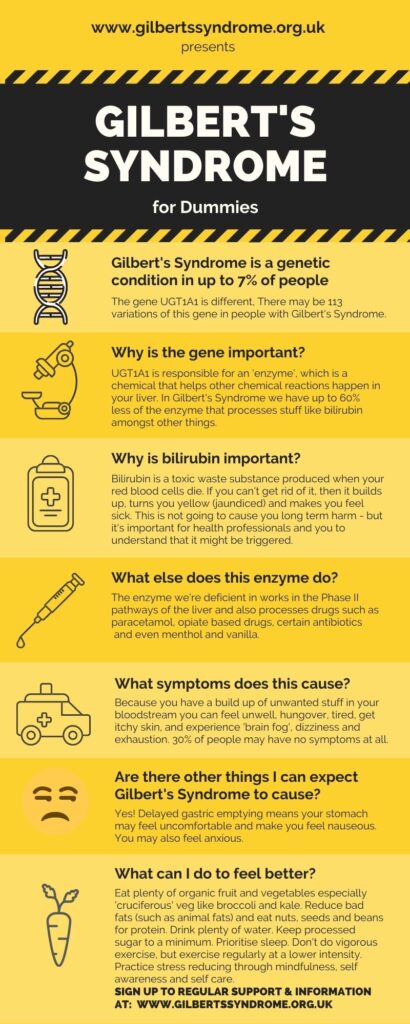
If you need to share the basics about Gilbert’s Syndrome – here’s a resource for you. Pass it on to friends, family, colleagues or your Doctor’s surgery so that they can understand better what Gilbert’s Syndrome is and perhaps help someone else with Gilbert’s Syndrome understand better too. It’s Gilbert’s Syndrome explained in a nutshell!
This survey of people with Gilbert’s Syndrome is the first to ask people with Gilbert’s Syndrome symptoms what they are experiencing and what is important to them. Here’s your opportunity to join this survey and add to the growing body of evidence from people with Gilbert’s Syndrome symptoms.
This survey is really important for the development of tailored information and support for people with Gilbert’s Syndrome symptoms. Thank you for your help in joining the many people who have already taken part.
The top three concerns that people with Gilbert’s Syndrome symptoms say they have:
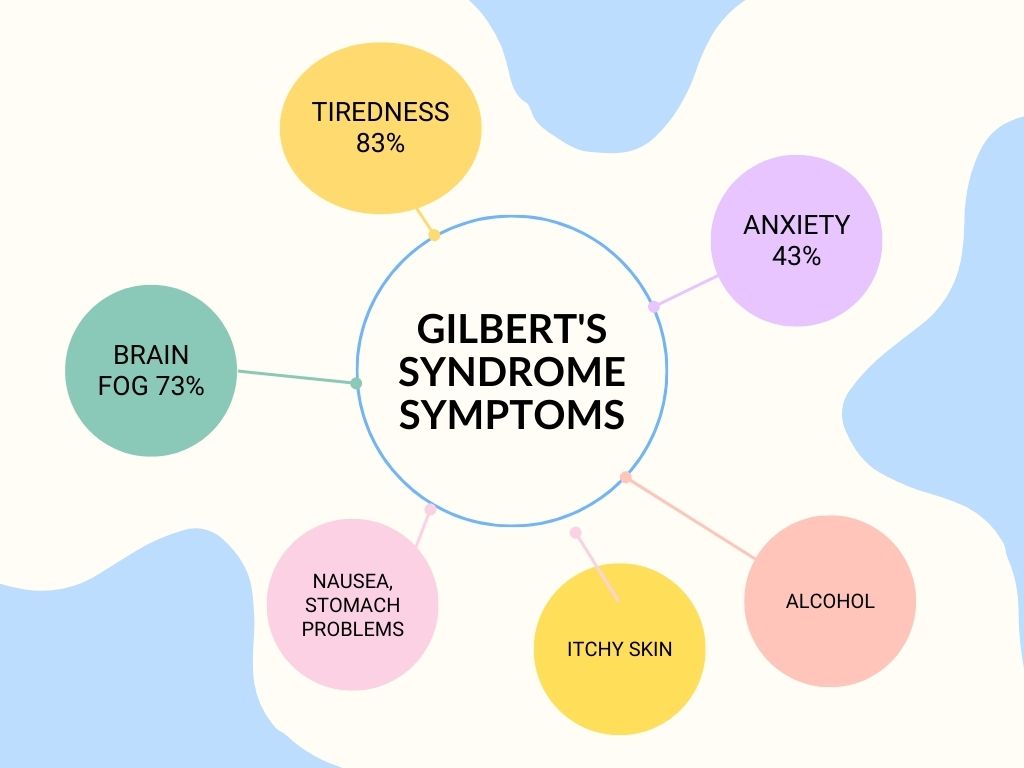
83% of respondents experience tiredness or exhaustion.
69% have ‘brain fog’
49% feel anxious
29% of people wanted help with nausea, 25% with the menopause, and 23% abdominal pain. Jaundice was a concern for just 11% of people.
Looking at the other responses, it’s clear that tiredness and inability to focus, plus mood swings, are part and parcel of the symptoms that are top priority for people with Gilbert’s Syndrome.
The top areas where people with Gilbert’s Syndrome symptoms have asked for support are:
Food and drink/nutrition (49%); supplements(40%); exercise(40%).
Other issues include talking to health professionals and other medication / health conditions – at 11% each.
These results will directly impact the support this website can offer people who have Gilbert’s Syndrome symptoms. Importantly by joining this survey everyone can help each other understand that they are not alone with their Gilbert’s Syndrome symptoms. Thank you for taking part, and here’s that link again if you haven’t already!
If you want to stay up to date with the latest results, support and news for people with Gilbert’s Syndrome sign up to the newsletter here. You’ll also get a FREE download of questions to ask your Doctor or health professional.
As many as one in five people feel fatigued at any time. If you’ve been feeling exhausted then you’ll want to know: Why am I so tired all the time; how can I get more energy?
Fatigue – what is it?
Fatigue is a symptom of many health conditions and life circumstances. Technically fatigue is one or more of these:
Overwhelming exhaustion that lingers beyond a good night’s sleep
Sleepiness and a lack of motivation to move about that doesn’t go away if you rest
A limiting lack of energy that prevents you from getting normal tasks done
Feeling like your muscles are too heavy and moving about takes energy you don’t have
Foggy achy head, finding it difficult to think or concentrate
Apathy and disinterest – everything feels too much
If you feel like this for more than a few days, for a reason that’s not clear, then you must see your doctor.
Is fatigue common?
Yes! Numerous studies across different populations show fatigue is common. You can find many studies, such as this one https://www.ncbi.nlm.nih.gov/pmc/articles/PMC5557471/ which illustrate that women tend to report fatigue more than men, and those of lower socioeconomic status also experience more fatigue. Across populations it appears above 20% of people report fatigue.
What causes fatigue?
Excessive tiredness can be caused by simple or serious health conditions. Common deficiencies of vitamins and minerals have tiredness as a symptom. There are many life circumstances which can leave you feeling exhausted. Let’s look at a few in more detail:
Life Stage : A new baby, a new job, grief or a crisis, moving house, caring responsibilities, overwork, stress at home or in the workplace.
Medical conditions: commonly, as you can see on the NHS website, and the Mayo Clinic, conditions causing fatigue include diabetes, depression, cancer, thyroid, coeliac disease, fibromyalgia, liver problems, MS, hormonal changes, heart disease and sleep apnoea, and so many more. This is why it is so important to receive a diagnosis if you experience fatigue which doesn’t let up over time.
Deficiencies: Iron deficiency (experienced by many women with heavy or prolonged periods), Vitamin D deficiency (common if you live in the northern hemisphere where we aren’t exposed to strong sunlight which generates vitamin D), magnesium (particularly common in women), and an imbalance in good nutrition generally. Some people have metabolic conditions which prevent them from absorbing nutrients well and this can result in multiple deficiencies.
Poor choice of foods which attack energy levels: Food high in sugar or refined carbohydrates provide instant energy. Your body will then have a crash in blood sugar which will make you feel exhausted. Wholegrains, plant based proteins, and wholefoods containing natural sugars will balance your energy levels and make you feel a whole lot better. A high intake of caffeine may also leave you struggling later in the day. (For more about the pro’s and cons of caffeine read this).
A combination of the above!
Unpicking the causes of your fatigue is really important. You must rule out serious health problems, working with your Dr.
Does Gilbert’s Syndrome cause fatigue?
For people with Gilbert’s Syndrome lack of energy is a really commonly reported symptom. I hear all the time from people desperate with debilitating exhaustion, with energy levels that are unpredictable.
There are a number of reasons why people with Gilbert’s Syndrome may feel exhausted.
Reduced liver function. If you eat highly refined carbohydrates such as white bread or sugary things, your blood sugar will rise and fall a lot. This means the enzyme we’re deficient in cannot work as well as it needs blood sugar. The result is your liver won’t do its cleaning job effectively and certain toxins and bilirubin will build up in your body. Typically feelings of exhaustion, jaundice, itching and nausea are reported. You may feel a bit like you have a persistent hangover. Of course consuming toxins may add to that effect, eg alcohol.
Assuming you don’t have a particular condition or issue that is causing you to feel exhausted, then there are four simple foundations to build your energy on
Good Nutrition
Exercise
Good Sleep
Mental resilience
The great thing about these four things is that they support each other.
Eat well and be properly nourished and you’ll exercise better and get better sleep. Better sleep will help you be mentally resilient and give you more muscle energy for exercise. Exercise will help you be more mentally resilient etc etc
Exercise should ideally be a mix of activities that raise your heart rate and which challenge your posture and muscles both in terms of flexibility and density. Walking briskly combined with pilates (plenty free videos on youtube) are simple cost free and energising. If you aren’t up to a great deal of exercise, then just start with walking a small distance and build up. Even standing up for a while engages muscles. Adding in exercise is something that needs to become a habit or you won’t stick to it. Stand up whilst you are on the phone or watching a favourite programme, take a 20 minute walk at lunchtime, do squats in the shower or whilst brushing your teeth, dance to a favourite song for 5 minutes when you get home from work. Every bit of movement is helping you stay fit and well.
Good quality sleep is vital. Research shows that our circadian rhythm (our body clock) is really important to when we feel awake and when we sleep well. Just making sure your bedroom is really dark can make a big difference to your body clock. Getting plenty of light in the morning will also help you feel alert and awake during the day and sleep better in the morning. There are lots of ways to deal with bad sleep – which I won’t go into here. It’s enough to say that regular sleep hours in a dark room without interruption are fundamental to good quality sleep. There are many books on the subject. Try the popular ‘Sleep Smarter’ by Shawn Stevenson
Mental resilience is a quality many of us feel we could develop more. It enables you to put the ups and downs of life into perspective. With mental resilience you will better cope when something bad happens in your day or your life, and will worry less about it. That’s not to say that you shouldn’t worry, be upset, grieve or be without feelings. It means you can do those natural things and then move on in time. If you want to understand more about living without anxiety you can buy ‘The Anxiety Solution’ by Chloe Brotheridge or find resources at www.calmer-you.com and Chloe’s podcast. You can also find out more about mental resilience and ‘grit’ here https://positivepsychology.com/5-ways-develop-grit-resilience/ Another great way to build up your mental resilience is through meditation. If it isn’t something you have considered or have found difficult in the past, then you could try these simple and effective tools from Mind Cards:
If you are doing the right things and are still feeling fatigued then you really need your doctor’s help to look into underlying medical conditions.
Your personal biology will need a personalised response so that it works the best way it can for you and your circumstances.
Sometimes this may mean prescription medication or balancing up other elements of your nutrition, supplements or lifestyle.
Beating fatigue in Gilbert’s Syndrome
So, let’s take a look at what this might mean if you have Gilbert’s Syndrome. As mentioned, there are specific reasons you’ll feel fatigued. Everyone with Gilbert’s Syndrome will have other things going on for them too – other chronic conditions, lifestyle or life stage issues, hormonal changes etc. This means that some things may work some of the time and you may need to adjust because of what is going on for you right now.
What you put in is key to what you get out
Many people with Gilbert’s Syndrome steer clear of alcohol as it really messes with their wellbeing and energy levels. You may want to consider this for other chemicals and potential toxins to lighten the load on your liver. This would mean a plant based wholefood diet which avoids processed and refined foods. Ideally organic! Particularly good foods include broccoli, nuts and seeds. https://gilbertssyndrome.org.uk/the-liver-diet/ . Keep it low in refined sugar and make sure to include limited good fats of plant origin.
Drinking plenty of water will also ensure you stay hydrated and support the removal of toxins from your body.
Eat little and often. For a couple of reasons.
1) to maintain stable blood sugar levels
2) with delayed gastric emptying a large meal will make you feel uncomfortable and make it harder to move about.
This isn’t an excuse to pack in more food, unless that means eating more vegetables! Look at what you would like to eat over the day or week and portion it out. If you do it ahead of time you won’t have to think about it.
Antidepressants in the form of SSRI’s (Selective Serotonin Reuptake Inhibitors) can help for some people. If you feel your anxiety or low mood are overwhelming then you must speak to your doctor and get their advice and diagnosis. These are also prescribed for IBS (again, something that people with Gilbert’s Syndrome have a high rate of) and may be a useful treatment option to consider – in dialogue with your doctor. This may improve your sleep, mental resilience and energy levels. However, as some people with Gilbert’s Syndrome may have raised levels of serotonin, as mentioned above, then you need to be cautious of side effects. Some brands may work better than others.
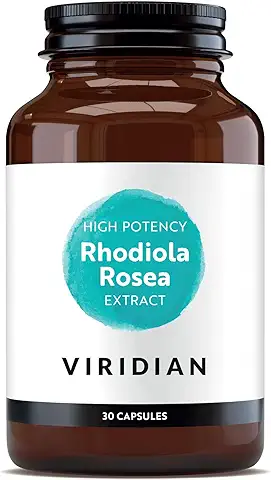
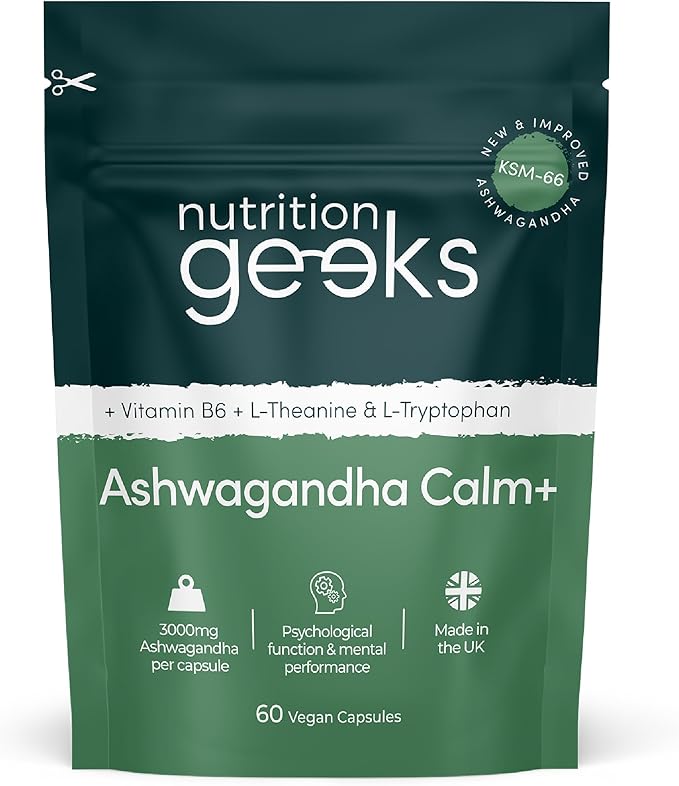
Supplements. Extra ingredients that can give you a boost or added support to your system are basically just plants in powdered form in a capsule. Some of the supplements offering additional energy balancing and support include types of ginseng, rhodiola rosea, ashwagandha etc available at Approved Vitamins and have been used safely for thousands of years. I list some supplements you can try in the Resources section. https://gilbertssyndrome.org.uk/resources/
I use rhodiola rosea and ashwagandha and have seen an impressive improvement in my ability to function. I occasionally add in gotu kola towards the end of the week or if I’ve not had a great night’s sleep, or have extra physical or mental demands. It works like a really gentle caffeine that doesn’t have the come-down effects.
Sleep appears to be a really important factor in feeling well, when you have Gilbert’s Syndrome. A good 8 hours can make a world of difference. Some of the supplements I mention above can help sleep. Follow the suggestions in the four foundations section above. Resist the temptation to lie in bed and doze or rest without sleep. This won’t help you sleep later. Keep bed for specific night time hours if you can, and keep your sleep routine and hours regular. Being active during the day will help you sleep better later.
Anxiety can stop you sleeping and suck your energy whilst awake. If it’s overwhelming then seek help from your Dr. I mention Chloe Brotheridge’s work above, but also Mind and other websites have many pointers for help. Mindfulness is a well founded technique for calming your mind and should guarantee better sleep and more energy. You can find some free apps here. As mentioned above, these are also a really simple and effective tool to help try mediation:
I’d really like to hear what your experience is. If you follow the lifestyle above has it changed your energy levels? I found becoming vegan, eating plant based, adding in supplements and building mental resilience transformed my energy levels. What’s worked for you? Please comment.
Remember – many people feel fatigued. There are basic principles to seize more energy. Plus – there’s the magic ingredient of you and your physiology to consider. Get medical support where needed, and understand your health conditions. You’ll then be in control of your energy and your life.
These small seeds pack a protein punch and produce more oil than most nuts or seeds. They bundle in calcium, manganese, copper, magnesium, phosphorous and Vitamin B1. Sesame seeds have properties that protect the liver, reduce inflammation and pain, level out blood sugar and reduce cholesterol. They are purported to be anti-cancer, anti-aging, and are antioxidant.
‘A 2013 study by researchers from the Tabriz University of Medical Sciences reported that 40 grams of sesame seeds were better than Tylenol when it came to alleviating the pain caused by knee arthritis.’
Wow! With that much going on – why not get the wok out and start stir frying with a dash of sesame seed oil, ginger, garlic and some sliced veg right now!
Studies indicate that sesame could be a ‘hepatoprotectant’ or liver protector.
So what does sesame do?
Your liver faces stresses from toxins all around us: pharmaceuticals, pesticides, fumes and particulates in the environment, additives in food and overindulging in alcohol or other toxic stimulants and relaxants. It seems that sesame could be a much needed support for the liver, struggling with modern toxic impacts.
The technical bit: sesame maintains levels of glutathione (a potent antioxidant), reducing free radicals and inhibiting the oxidation of fats. (Antioxidants fight free radicals which damage the cells of your body. Free radicals are unstable molecules produced because of environmental pressures on your system).
So, in more straightforward terms – sesame helps the good stuff in your body fight off the damage to your body caused by those toxins that we’re swallowing and surrounded by.
Sesame also appears to be safe for you. As sesame can change blood sugar levels and lower blood pressure, then do be careful if you have diabetes or already low blood pressure.
If you want to protect your liver, boost your immune system, lower your blood pressure, lower your cholesterol, reduce cancer risk and boost vital nutrients, then adding sesame into your diet is a great choice. Tahini (sesame seed paste) and sesame seed oil, as well as the seeds themselves, are available in all supermarkets, and can be used in cooking, spread on toast, added to dressings, used to make hummus, stir frys and so much more.
What does caffeine do for the liver, and what is the relationship between Gilbert’s Syndrome and caffeine? Many studies now combine to illustrate the positive effects of caffeine on a number of aspects of health and wellbeing.
You can help reveal the impact of caffeine on people with Gilbert’s Syndrome. Get a free download here and answer a handful of questions – it will take less than 5 minutes, and you could help us all live better with Gilbert’s Syndrome. Thank you!
Naturally, it’s not a simple picture. Everyone has a different genetic and metabolic profile (we’re all made differently!). Each individual has a unique way of processing any chemical or food. This can also be impacted by your lifestyle, age and even time of the month. My goal is to help you personalise your nutrition so that you can take the research, advice and your experience and see what works best for you.
I’ve been through the research and summarize and link to it below. This post also gives you the benefit of looking through the science as it relates to Gilbert’s Syndrome, but ultimately – I am not a doctor, I am not YOUR doctor, and the best expert on you – is YOU.
That said, let’s look at liver health and caffeine, and particularly Gilbert’s Syndrome and caffeine.
As Professor Graeme Alexander President, British Association for the Study of the Liver Consultant Hepatologist at Cambridge University Hospitals and The Royal Free Hospital, London said, in a study published by the British Liver Trust in 2016, “At last, liver physicians have found a lifestyle habit that is good for your liver!’
The report pulls together studies that look at liver diseases which are developed or acquired, not genetic conditions that impact the liver, like Gilbert’s Syndrome. However, it’s worth looking at the conclusions and the basis of the studies to see what we can draw from those.
The bottom line is that it appears caffeine can slow disease progression, help prevent liver cancer and support the anti-viral functions of the liver.
Other conditions also show a beneficial impact, such as diabetes and stroke.
‘eighteen studies involving almost half a million people that show overall that coffee, decaffeinated coffee and tea do slightly reduce risk of diabetes.’
One stunning assertion from a study in the report showed that :
‘Coffee appears to have a significant effect on all-cause mortality. The National Institutes of HealthAmerican Association of Retired Persons Diet and Health Study involving 229,119 men and 173,141 women demonstrated an inverse relationship between coffee consumption and mortality. In other words, coffee drinkers had a reduction in mortality compared with non-coffee drinkers.’
Any old caffeine?
Some of the questions raised include the benefits of tea (or other caffeinated beverages) versus coffee. It appears that coffee itself contains beneficial compounds (particularly those found in the green beans) that other caffeinated drinks do not. And that decaffeinated coffee can have some benefits associated with coffee drinking.
How much should I drink?
Rightly cautious advice about drinking too much coffee or consuming too much caffeine is flagged. Too much caffeine can have an adverse effect on other conditions, from pregnancy to conditions where medication might be impacted. The difference between men and women is only really significant if you are taking hormonal supplements or, as mentioned, you are pregnant. A moderate 2 to 3 cups a day is suggested by the report authors.
One factoid of interest – caffeine metabolisation is twice as fast in smokers as non-smokers.
Coffee Caution
Everybody reacts differently to substances and caffeine is itself quite a powerful stimulant. If you have anxiety or depression then do NOT suddenly start drinking lots of coffee! It raises levels of stress hormones adrenaline and cortisol. Plus, it can raise blood pressure.
Although coffee can enhance energy and alertness, it can also trigger certain conditions, and decaffeinated coffee might provide some benefits without the downsides for people who react strongly to caffeine. However, as noted in Medical News Today In 2013, a study published in World Journal of Biological Psychiatry suggested that drinking between 2–4 cups of coffee a day may reduce suicide risk in adults.
Caffeine is in fact a psychoactive substance and should not be overused. Most studies suggest that more than 400mg of caffeine a day could have adverse effects (probably more than 4 cups of coffee). Plus, as well as the caution for pregnant women, there is a lack of information about how it can impact the growing, changing and susceptible brains of children and adolescents.
You can also watch this video from Dr Greger at nutrition facts (buy his excellent book ‘How Not to Die’ which looks at many health conditions and how to optimise your diet to live longer and better).
Dr Greger rightly raises the fact that people metabolise coffee / caffeine very differently. This different metabolisation can result in very different responses, harms and benefits.
The abstract concludes: ‘CAF altered kinetics in 27% of GS cases may suggest multiple deficits in the hepatocellular metabolism, thus confirming the heterogeneity of this syndrome.’
Ie. caffeine altered the reaction rates in 27% of Gilbert’s Syndrome cases, suggesting that the liver wasn’t processing as well, demonstrating (once again) that Gilbert’s Syndrome has different elements or characteristics.
(It didn’t seem to impact bilirubin levels or bile acids, though.)
As with many studies into Gilbert’s Syndrome, the conclusions note that there are in fact differences in how our livers process things. But, as is so often the case, this is not taken further, to examine just what that means to the lifestyle management for someone with Gilbert’s Syndrome.
The implication here is that people with Gilbert’s Syndrome might find coffee or caffeine impacts them negatively, and I’ve written elsewhere how coffee or caffeine can impact energy levels in a way that you may find unhelpful. Stable energy levels and blood sugar are important for the liver enzymes we are deficient in to work properly. We can also experience anxiety as a symptom. These both suggest we would need to be careful around our coffee / caffeine consumption.
Of course, energy levels can also be an issue if you have Gilbert’s Syndrome. Fatigue is a common symptom of Gilbert’s Syndrome. It would be great to be able to reach for caffeine as a pick me up, to break through that brain fog and boost your concentration!
What caffeine to try when you have Gilbert’s Syndrome
If you want to try caffeine in a different format to coffee, there are additional benefits in trying something like green tea, which has other beneficial effects.
If you want to explore alternatives to coffee then there are other natural stimulants which are more gentle which may help with your energy levels. I take adaptogens to balance my stress and energy levels and have found my energy more resilient as a result.
Ashwagandha is a great herb for the end of the day.
plus gotu kola which can provide an extra, but gentle, boost that can help concentration levels when they start to flag.
I personally find coffee or caffeine makes me feel quite unwell. I don’t seem to metabolise it comfortably and it leaves me feeling frazzled and sick. I’d love to hear more about whether you find coffee or caffeine helps you, and what your experiences are with it. Please do comment and share your story here.
This website is dedicated to helping people like you live better with Gilbert’s Syndrome, I hope you find the information interesting and useful – if you do, please consider donating to keep it going. Because so many people struggle to find help and support to live with Gilbert’s Syndrome, please donate today – THANK YOU!
We’re all talking more about mental health and that’s really important for people with liver conditions. Liver condition or not – looking after your liver and your mental health will lead to a happier healthier life.
There’s a ton of evidence that liver disease relates to mental health:
These are serious clinical problems, but whether or not you have a liver condition, if you aren’t looking after the organ that cleans all the rubbish out of your system (yes, that’s your liver), then you will feel like the bottom of a well used cat litter tray!
This is a two-sided coin – look after one and the other improves. Great! That means you’ve twice the opportunity to feel better.
There are signs that your liver is stressed, and you should always go to your doctor if you experience jaundice, aches and pains, digestive problems, fatigues, darker urine, mood swings, weight loss, etc https://pharmeasy.in/blog/7-signs-you-suffer-from-liver-stress/
I’m not a doctor and this is not medical advice, this information is from research I’ve linked to (if you want to dig deeper) and curated with additional resources from well regarded books by scientists, doctors and other reputable authors. Links to those books will give me a small commission if you choose to make a purchase – just so we’re clear 😊
Diet
Everything you eat or drink passes through your liver – so let’s start there.
Alcohol is a well known liver toxin. It’s also an emotional crutch and widely abused. You feel bad so you drink more, it harms your liver, you feel worse, you drink more – it’s a vicious downward spiral. Any alcohol will stress the liver, and if you have a liver condition it will do so even more. If you want to save your liver, and your mental health, save the alcohol for never if you have a liver condition, or in moderation if you are otherwise healthy. Here’s more on that:
Good food feels great! There are tons of wonderful foods that will help your liver and you feel great! Eat more of the good things and you will also keep a healthy weight which will prevent you from getting a fatty liver too.
Some of the foods that work best for supporting the liver include broccoli (and other ‘cruciferous’ veg such as cabbage, cauliflower and radishes), avocados, tomatoes, carrots, beetroot, fruits (apples, lemons, grapefruits) and nuts (Nuts are a good source of glutathione, omega-3 fatty acids that help the liver evacuate ammonia, the substance responsible for certain diseases. They also promote blood oxygenation https://www.myliverexam.com/en/detoxification-some-food-to-cleanse-your-liver/), garlic and turmeric. If you eat healthy food I guarantee you’ll feel better all round. I’m vegan and totally advocate for a completely plant based diet if you want to feel great, full of energy and bright-eyed (yup, helps with the jaundice). You can find out more about food and diets in the books below.
Sugar – sorry, but it really does make you feel rubbish. Especially if you have a liver condition, such as Gilbert’s Syndrome, your liver will work better if you have a steady blood sugar level https://www.ncbi.nlm.nih.gov/pmc/articles/PMC4390583/. This is because the chemicals used by liver processes need steady blood sugar levels to be able to work. Plus, your liver does the hard work in managing your blood sugar levels when they’re high or you need to draw on energy for your muscles http://www.diabetesforecast.org/2012/feb/the-liver-s-role-how-it-processes-fats-and-carbs.html Too much sugar means your liver bgins to store it as fat and ultimately damages the liver. Keeping steady blood sugar levels can be achieved by eating little and often, and not going long periods without food, plus not relying on high sugar snacks when you feel lethargic. For those of us with liver conditions who have trained their body to love good food just looking at a piece of cake can make me feel sick. If it’s a real treat for you though, don’t deny yourself completely, just don’t make it a daily crutch that keeps you on the uphill treadmill of feeling knackered and rough.
Read this :
Oh my gosh – Dr Greger is just the most-evidenced expert in nutrition I have ever come across. Honestly, this should be your bible for living a healthy life and feeling great. It’s so persuasive you will be completely convinced and so much more likely to stick to a healthy way of eating: How Not To Die: Discover the foods scientifically proven to prevent and reverse disease by Dr Michael Greger
The Dalai Lama and Daily Mail both think Dr Greger is on the money!
This book may help those who are susceptible to illnesses that can be prevented with proper nutrition. — His Holiness the Dalai Lama
Dr Michael Greger reveals the foods that will help you live longer, Daily Mail
There are so many resources that can help your mental health. The less stressed you are the better your liver will work too. ‘Growing scientific evidence has demonstrated the detrimental effects of psychosocial stress on liver diseases in humans and animals ’http://www.ijcem.com/files/ijcem0089076.pdfhttps://pubmed.ncbi.nlm.nih.gov/16460474/
You can get pretty much instant results from some simple activities, and longer term calm through regular practice.
Exercise – a total liver/brain/body hack. Fortunately you don’t have to be a gym bunny or have an olympian body to do this one. Just get outside for a half hour stroll every day for starters. Yes, you WILL feel better.
Here are some resources to check out to explore this one further. Find what works for you and your lifestyle:
Chloe Brotheridge is trained in so many disciplines and has a hungry mind for finding ways to live more calmly and confidently. Check out her website and podcasts, at calmer-you.com and buy her book The Anxiety Solution: A Quieter Mind, a Calmer You
These are books by scientists who use proven methods to improve your mental wellbeing –
Extra Science bit for people with Gilbert’s Syndrome
People with Gilbert’s Syndrome may experience anxiety and IBS / gut symptoms. Findings that may explain this are the relationship between serotonin levels in the blood and your brain / gut. There’s a tendency for people with Gilbert’s Syndrome to have too much serotonin in the blood – something called hyperserotoninaemia http://www.hormones.gr/759/article/non-tumoral-hyperserotoninaemia-responsive-to-octreotide%E2%80%A6.html
Anxiety is a common reported symptom of Gilbert’s Syndrome. ‘At the molecular level, recently emerging data have established the increased frequency of dual genetic polymorphisms in UDP glucuronosyl-transferases 1A1 and 1A6 in approximately 87% of patients with Gilbert’s syndrome, leading to defective glucuronidation not only of bilirubin but of several other endogenous and exogenous substrates, such as serotonin, coumarin and dopamine derivatives.7,8
Increased serotonin levels have been reported in patients with Gilbert’s syndrome, suggesting a possible explanation for the nonspecific symptoms described in these patients that are commonly attributed to anxiety.9,10’
So, if you’re more likely to have problems with your mental health, then it’s really important to look after yourself. Following the advice above and keeping to a healthy diet, exercise and mental wellbeing routine will absolutely help you lead a better life with Gilbert’s Syndrome.
Because your support helps keep this research and website alive, please donate today:
So you have lots of bits of information about COVID-19, but what do they add up to if you have Gilbert’s Syndrome? Well, there are a number of things I can tell you which should help join the dots and give you the big picture of where you stand when faced with COVID-19, if you have Gilbert’s Syndrome.
First of all, we have to understand what type of virus COVID-19 is.
It’s a virus similar to the flu and colds. Because it’s new no-one had it before and so no-one is immune and can catch it easily. You can catch it the same way you catch any cold or flu – the virus travels in tiny droplets pushed out from the infected person’s nose and mouth when they cough or sneeze. It either goes straight into your mouth or nose, or sits around for a while waiting to catch a ride on your body. The virus hijacks your cells in your nose, throat and lungs and multiplies. Your body then responds with the usual attack mechanisms, and depending on how healthy your immune system is, and how much of the virus you have been exposed to, you can see it off or have a more severe, possibly fatal reaction. The severe reaction is partly because the body’s immune system response goes into overdrive and the lung tissues become blocked because they become inflamed – which is why people have difficulty breathing.
Okay, so far, it’s pretty straightforward – but there are differences in how viruses can affect people. This one is pretty different where children are concerned (see below). Others can also affect the liver more – recently the pandemic of 2009, H1N1, was shown to cause liver damage: https://www.ncbi.nlm.nih.gov/pmc/articles/PMC4941665/
So far, studies show that COVID-19 doesn’t seem to cause permanent liver damage, although there can be some impact on the liver initially, which doesn’t appear related to the medication given to patients, as this extract from The Hindu, and the Lancet journal text extract below show:
Liver damage in mild cases of COVID-19 is often temporary and the organ can return to normal without any special treatment. This could be due to the state of direct infection of liver cells or could as well be due to liver cells getting caught up in the immune war between body’s immune system and the virus with chemicals produced by our body, namely cytokines.The Hindu
‘mild liver test derangement is present at baseline in many patients with COVID-19 before significant medication use. Ie. the liver is impacted before medication is given’
‘It has been proposed that COVID-19 causes direct liver injury via a viral hepatitis, but we believe that there are alternative explanations. First, the derangement of liver function is clearly mild. Second, when liver function tests for patients with different durations of symptoms are examined, there is no evidence that later presentation is associated with greater liver function derangement.’
What’s also great to hear is that: ‘worse outcomes were not seen in the 42 patients with chronic liver disease and COVID-19 who had outcome data’
The greatest problem that people will face when fighting off COVID-19 are underlying health problems which impact the immune system:
So, you should not worry more if you have Gilbert’s Syndrome as COVID-19 doesn’t appear to have an especial impact on the liver. However, just on flu and colds generally – the stress on your body can make you feel really unwell and trigger your Gilbert’s Syndrome symptoms. This is important to tell clinicians if they are treating you so that they can understand what’s happening to your body and why.
There may be other questions that we can’t answer such as – is there a link between low white blood cell counts, Gilbert’s Syndrome and fighting infection; what if some of the medication used in the treatment of COVID-19 is processed in the pathways of the liver affected by our enzyme deficiency. As it appears there is a link between high levels of bilirubin and reduced white cell count https://journals.sagepub.com/doi/10.1177/0004563214541969 (topic for another post!), you could potentially hypothesize that this is a good thing – as the overproduction of white cells is part of the excessive inflammatory response I talked about that can actually harm not heal. As mentioned above – do let your clinicians know you have Gilbert’s Syndrome and that some medication, processed in the Phase II pathways, isn’t dealt with as well.
If you want to know more about how COVID-19 virus works and how the body responds (knowledge is power after all), check out this video from Yale: https://www.youtube.com/watch?v=vvKhT9tAhig
Why are children less affected when their immune system is still developing? It’s theorized it is BECAUSE their immune system is developing that the life threatening response to COVID doesn’t occur as much in children – the adult body’s immune response includes a ‘cytokine storm’ which results in an inflammatory response in the lungs, making it hard for adults to breathe. Children’s bodies don’t yet respond as aggressively to the virus.
As age advances, the immune system undergoes profound remodelling and decline, with major impact on health and survival [81,82]. This immune senescence predisposes older adults to a higher risk of acute viral and bacterial infections. Moreover, the mortality rates of these infections are three times higher among elderly patients compared with younger adult patients [83]. Infectious diseases are still the fourth most common cause of death among the elderly in the developed world. Furthermore, aberrant immune responses in the aged can exacerbate inflammation, possibly contributing to other scourges of old age: cancer, cardiovascular disease, stroke, Alzheimer’s disease and dementia [84]. During a regular influenza season, about 90% of the excess deaths occur in people aged over 65.
I hope this information helps you live better with Gilbert’s Syndrome!
Find out more about how Milk Thistle works. The effective ingredient is sylmarin, and you need enough of a dose for it to have an impact. Read more here: http://www.nlm.nih.gov/medlineplus/druginfo/natural/138.html
Diet plays a really important part in managing your health and wellbeing, and especially in helping your liver. However, there is an industry out there just waiting to push the latest ‘superfood’ your way. NHS ‘Choices’ gives the latest lowdown on the claims and offers the evidence to counter / support them here
Find ordinary household paints make you feel unwell? I’ve been using these for years and they are brilliant! www.ecosorganicpaints.co.uk Odourless, solvent free, totally non-toxic.
So little is known, and much is speculated about Gilbert’s Syndrome! Please beware before reading this that this cited article notes that the information they discuss results in their speculation that people with Gilbert’s Syndrome may be more likely to get breast cancer. This is not proven, and is an association only. However, in the interests of offering new information to people with Gilbert’s Syndrome I am sharing this article.
Med Hypotheses. 2011 Aug;77(2):162-4. doi: 10.1016/j.mehy.2011.03.047. Epub 2011 Jun 1.
Is Gilbert syndrome a new risk factor for breast cancer?
Medical School, Universidade de São Paulo, Brazil. ra**************@***il.com
Abstract
Patients with Gilbert syndrome have an impaired function of the enzyme UGT1A1, responsible for the degradation of 4-OH-estrogens. These elements are produced by the degradation of estrogens and are well-known carcinogens. In theory, patients with Gilbert syndrome accumulate 4-OH-estrogens and, therefore, might have a higher risk for breast cancer, especially when exposed to higher levels of estrogens. If this theory is true, a new risk group for breast cancer would be described, producing new insights in breast carcinogenesis.